Rare Breed Trigger Explained: How It Works, Legality, and Why It’s Controversial
A rare breed trigger is your safeguard against accidental inputs, ensuring that only a deliberate, specific action activates your intended response. It works by requiring a unique combination or pattern—like a custom phrase or gesture—that you consciously choose, so the system waits patiently until that exact signal appears. This means you can type freely or experiment without fear of premature reactions, giving you the calm confidence that nothing disruptive happens unless you truly mean it. To use it, simply define your trigger once and then enjoy the peace of mind that your interactions stay precisely under your control.
What Exactly Is a Rare Breed Trigger and How Does It Work?
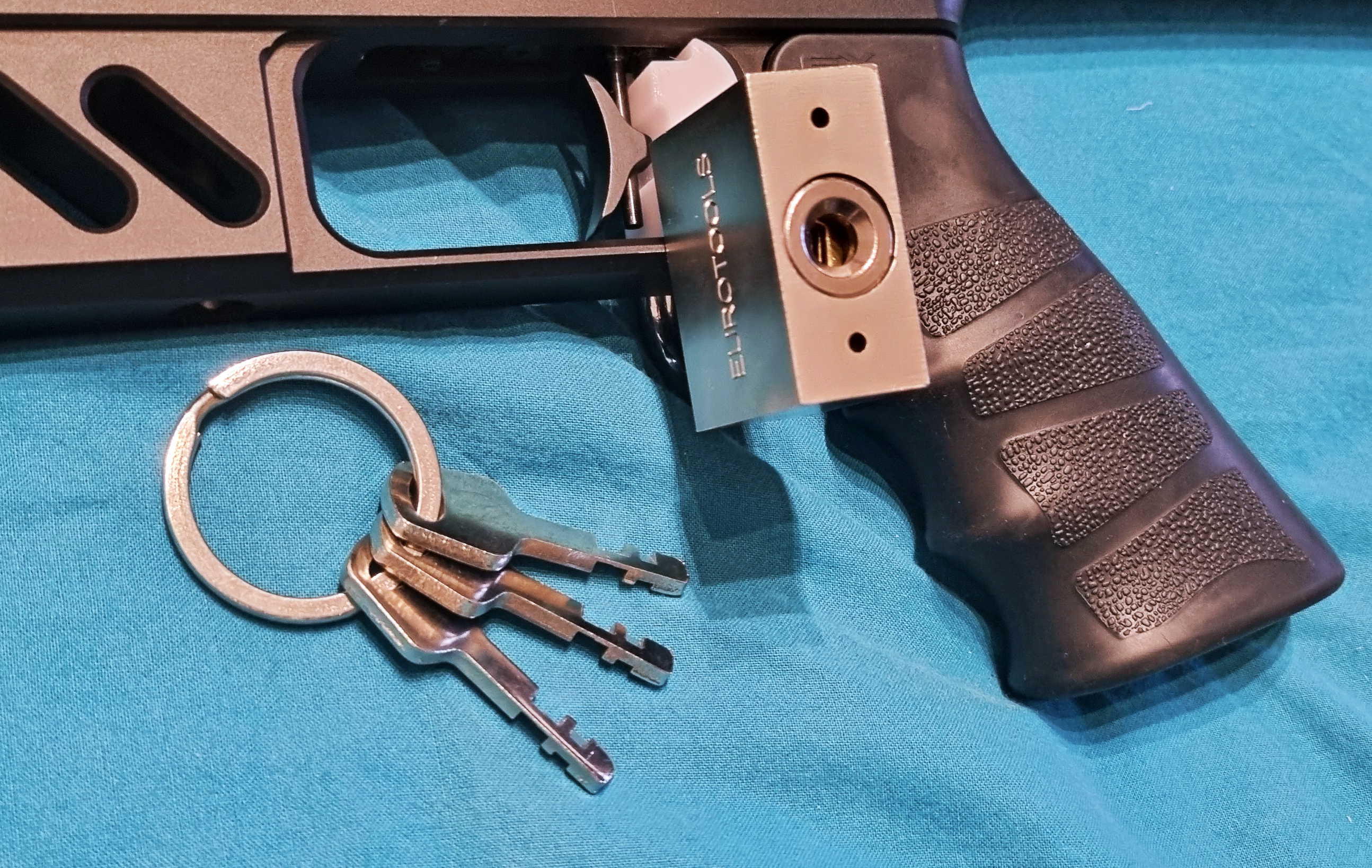
A rare breed trigger is a drop-in replacement trigger mechanism that converts a semi-automatic firearm’s cycling into a forced-reset binary-like function—the trigger resets itself after the bolt closes, allowing a second shot with a single, continuous pull. It works by using a proprietary sear and disconnector geometry that leverages the bolt’s forward travel to physically push the trigger shoe back to the reset position. This happens without the shooter releasing their finger, meaning the trigger cycles: pull (fires), bolt moves forward (resets trigger), and the trigger catches again if you maintain rearward pressure. The practical result is a dramatically higher cyclic rate, but it relies entirely on the bolt’s momentum—so it only functions in firearms with a full-auto-style carrier speed. Installation is drop-in, but fitting requires the trigger group to be precisely aligned with the bolt’s cam path, or the reset fails. This is not a modification to the fire control group’s sear engagement; it’s a mechanical timing solution that exploits the existing recoil cycle.
The Core Mechanics: How This Drop-In Unit Changes Your Trigger Pull
The drop-in design of a rare breed trigger fundamentally alters the pull by replacing the standard hammer and disconnector interaction with a proprietary sear trip mechanism. Instead of a fixed reset point, the unit’s cam rides the bolt carrier, forcing the hammer to follow forward before the trigger is physically released. This creates a forced-reset trigger pull where finger pressure only initiates the cycle; the carrier does the reset work. Practically, you feel a short, crisp take-up followed by an immediate, sharp break—no over-travel. The reset is not tactile; it occurs automatically as the bolt returns, so you must fully release the trigger each shot. The sequence is:
- Pull the trigger to drop the hammer.
- Bolt carrier pushes the cam, resetting the hammer.
- Release your finger for the sear to catch again.
This mechanical loop shortens the perceived pull weight and travel, eliminating the mushy second-stage creep of mil-spec triggers.
Differences Between a Rare Breed Trigger and a Standard Mil-Spec Trigger
The big difference between a rare breed trigger and a standard mil-spec trigger comes down to the reset and firing cycle. A mil-spec trigger uses a traditional disconnector, forcing you to fully release the trigger to reset for each shot—slow, predictable, and heavy. A rare breed trigger uses a proprietary forced-reset mechanism that pushes the trigger forward automatically after firing, letting you hold the trigger down and simply pull again for a rapid follow-up shot. In practice, this means the rare breed feels lighter, shorter, and snappier, while a mil-spec feels gritty and requires deliberate finger movement. The sear geometry also differs, resulting in a crisper break with minimal overtravel compared to the standard’s noticeable creep.
Understanding the FRT (Forced Reset) Action vs. Binary or Full-Auto
Understanding the FRT (Forced Reset) action starts with the trigger’s reset spring shoving the shoe forward while your finger still presses rearward—so the sear trips again without a second pull. That’s the core difference from a binary trigger, which fires once on the pull and once on the release, giving you two distinct shots per trigger cycle. A full-auto uses a sear trip by the bolt carrier, not your finger’s motion. With a Rare Breed, your finger never leaves the trigger face; the forced reset action mimics full-auto speed but stays semi-automatic mechanically since each round requires a new trigger reset. You control the cadence by how hard you hold back and let the reset push forward.
Key Features and Design Benefits You Should Know Before Buying
The key features and design benefits you should know before buying a Rare Breed trigger center on its patented FRT (forced reset) mechanism, which physically pushes the trigger forward after each shot. This design mimics full-auto cycling while remaining a semi-automatic part, delivering a blistering rate of fire without modifying the bolt carrier group. The trigger’s flat, contoured shoe reduces finger fatigue during rapid strings, while the drop-in housing requires no gunsmithing—just a standard AR-15 lower and a few minutes of installation. Its hardened steel sear and nickel-Teflon coated surfaces ensure crisp, consistent resets even after thousands of rounds. Crucially, the design benefits include a short, tactile reset that lets you maintain a stable firing grip, and an adjustable trigger pull weight (ranging roughly 3.5–6 lbs) to suit your preference. Understanding these specific engineering choices is essential for matching the trigger’s behavior to your shooting style and build.
Materials, Build Quality, and What Makes the Components Durable
The rare breed trigger’s durability starts with its precision-machined, tool-steel internal components, which resist wear far better than stamped or MIM alternatives. The hardened sear and hammer engagement surfaces are ground to exacting tolerances, ensuring consistent reset without galling over thousands of rounds. Its nickel-Teflon coated trigger bar reduces friction and protects against corrosion, while the stainless-steel pins and captive springs maintain tension under harsh, high-round-count use. This advanced materials engineering for extended service life means the trigger’s crisp break and fast reset remain predictable even after heavy break-in, with no loosening of the housing or loss of striker force. Every pivot point is bushed or heat-treated, eliminating premature peening and keeping the action tight and reliable.
How the Reset Speed Improves Your Follow-Up Shot Accuracy
The rare breed trigger’s lightning-fast reset is the secret sauce for tighter follow-up shot accuracy. Because the trigger resets almost instantly after the break, your finger stays in the perfect firing position—no wasted motion or over-travel. This means you can stage the next shot while the muzzle is still rare breed super safety settling from recoil, letting you squeeze off a second or third round with minimal sight picture disruption. The quicker the reset, the less chance you have of jerking the trigger or shifting your grip, which directly translates to smaller groups on rapid fire. Think of it as a built-in rhythm coach.
Q: How does reset speed improve your follow-up shot accuracy with a rare breed trigger?
A: It shrinks the time between shots, so your hands and eyes stay locked on target, eliminating the “re-aim” pause that ruins speed shooting.
In practice, this mechanical advantage keeps your index finger glued to the sear’s return point, so every press feels identical—no guessing where the wall is. mp5 frt trigger That consistency is what turns sloppy double-taps into clean, precise pairs.
Compatibility With AR-15 and AR-10 Platforms: Fitment Details

The rare breed trigger’s fitment rare breed mp5 trigger hinges on precise geometry, not just pin-hole spacing. In AR-15 platforms, the trigger’s sear trip lever requires a standard .154-inch trigger pin diameter and a clearance channel in the lower receiver’s pocket—most mil-spec lowers accept it without modification, but billet lowers with reinforced walls may need minor filing. For AR-10s, the wider lower receiver and thicker bolt carrier demand a different rear take-down pin position; the trigger’s hammer must align with the .308 bolt’s strike face, so you’ll often need a spacer or a dedicated AR-10 variant. Drop-in fit is rare across both; test the carrier’s rearward travel before installing the buffer tube.
How to Install and Adjust This Trigger System for Optimal Performance

Begin by ensuring the lower receiver is completely clear, then insert the rare breed trigger cassette as a single unit, aligning the pivot pins precisely before seating them flush. For optimal performance, the selector must be fully rotated to the fire position before you tension the internal hammer spring; a loose spring introduces trigger slap and misfires. Adjust the over-travel screw on the rear of the shoe until you have zero creep but still a distinct reset—back it out a quarter turn after contact. The disconnect timing is factory-set, so never modify its profile; instead, tune the hammer spring tension for your ammunition’s primer hardness. Why is the selector position critical before tensioning? Because engaging the spring with the selector on safe locks the hammer out of phase, causing dead triggers. Finally, cycle the action by hand twenty times—if the trigger fails to reset audibly, increase the spring preload by one full turn, then test live. A properly seated rare breed trigger delivers consistent, fast resets with no drag.
Step-by-Step Drop-In Installation Without Gunsmithing Skills
The Rare Breed trigger’s drop-in design eliminates the need for a gunsmith, letting you complete the swap in minutes with only a punch and a bench block. First, verify the firearm is unloaded, then drift out the rear and front pins to remove the factory unit. Align the Rare Breed’s trigger housing with the receiver’s pin holes, ensuring the hammer sits flush against the bolt carrier, and press the pins back through until they click. Because the sear engagement and spring tension are pre-set during manufacturing, no trigger adjustment or hand fitting is required. Finally, cycle the charging handle several times to confirm proper reset and disconnector function; if the trigger snaps cleanly, your installation is complete and ready for range testing.
Adjusting Trigger Weight and Overtravel to Match Your Grip
Dialing in your Rare Breed trigger starts with matching the trigger weight and overtravel to your natural grip. If your finger sits high on the shoe, back out the weight screw slightly for a lighter pull that won’t strain your knuckle. For overtravel, press the trigger, then tighten the stop screw until it barely kisses the frame—this prevents your finger from slapping forward and breaking your follow-through. Test with your support hand pressure too; a firm grip might need a hair more overtravel clearance. Overtravel adjustments should feel like a crisp wall, not a mushy bounce. Reset is separate, but overtravel affects how quickly you re-engage.
Q: How do I know if overtravel is too tight for my grip?
A: If the trigger won’t reset or feels gritty after each shot, back the frt-mr3 stop screw out a quarter turn—your grip’s forward pressure dictates that tiny gap.
Common Installation Mistakes That Cause Misfires and How to Avoid Them
Incorrect hammer pin depth is the most frequent culprit behind rare breed trigger misfires, as even 0.005 inches of protrusion can drag on the bolt carrier, disrupting the sear reset. Another common error is misaligning the trigger’s forward slave pin before tightening the set screws, which bends the trigger bow and causes intermittent hammer follow. Avoid over-torquing the trigger housing screws; warping the receiver floor changes the trigger’s angle, leading to light primer strikes. Always verify the disconnecter’s clearance by cycling a dummy round—if it catches, re-seat the trigger pack flush. Never assume a new installation is correct without dry-firing to confirm the hammer locks back on every pull.
Misfires trace to pin depth, bow alignment, and over-torqued housing screws; fix by re-seating the pack flush and testing hammer lock with dummy rounds.
Practical Usage Tips: Shooting Drills and Troubleshooting Issues
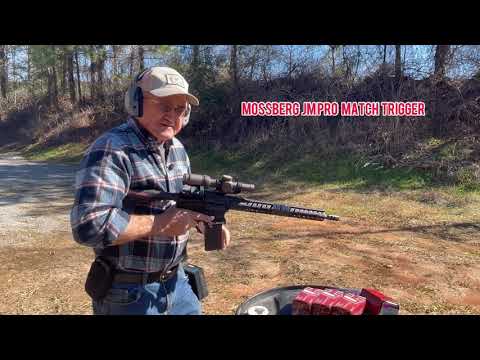
For the rare breed trigger, live-fire drills should emphasize reset control over speed, as the trigger’s forced-reset mechanism punishes short, sloppy pulls. Practice slow-fire cadence drills, focusing on holding the trigger to the rear until the bolt fully cycles, then releasing only enough to feel the tactile reset click. If you experience hammer-follow, the most common issue is an over-tightened trigger pocket screw—back it off a quarter turn. For intermittent doubles, check the sear engagement screw: a half-turn increment clockwise typically resolves slam-fires, but test with a single round after each adjustment. Misfires on rapid strings usually stem from light primer strikes caused by a worn trigger spring—replace it after 5,000 rounds. Dry-fire practice is safe, but never use snap caps with the rare breed, as the forced reset can strip their rims and cause feeding jams.
Always diagnose by vertically holding the rifle after a malfunction—gravity explains 80% of rare breed stoppages from debris in the trigger pack.
Best Stance and Grip Techniques to Maintain Control During Rapid Fire
To maintain control during rapid fire with a Rare Breed trigger, lock your support elbow into a slight forward push, creating a rigid platform against the receiver. Your firing grip must be high on the backstrap, thumb indexed forward alongside the slide stop, ensuring the bore axis aligns with your forearm. This isometric tension stance counters muzzle climb by resisting the trigger’s reset-driven cyclic torque. Avoid a death grip; instead, apply 60% pressure with the support hand and 40% with the firing hand, allowing the trigger’s sear to move without dragging your index finger. Keep your knees slightly bent, weight shifted onto the balls of your feet, so recoil travels in a straight line.
Why Your Rifle Might Double-Fire or Fail to Reset—and Quick Fixes
A rare breed trigger that double-fires or fails to reset usually stems from improper bolt carrier velocity or worn trigger components. If the bolt carrier over-travels, it can outrun the sear engagement, causing a follow-up shot. A weak or broken trigger spring also prevents reset. First, verify your buffer weight and spring—too light a buffer increases bolt speed, disrupting the trigger’s timing. Second, inspect the trigger’s disco and sear surfaces for carbon fouling or burrs; clean with solvent and rarebreed frt lightly oil. Third, ensure the trigger’s set screw is correctly adjusted—over-tightening can drag on the receiver. Most reset failures arise from a subtle misalignment of the trigger pin, not the trigger itself. If all else fails, swap in a fresh trigger return spring; this resolves the majority of persistent issues without replacing the whole unit.
Ammunition Selection: Which Loads Cycle the Reset Most Reliably
For the rare breed trigger, ammunition selection directly dictates reset reliability, as the bolt carrier’s rearward velocity must be sufficient to fully overcome the sear’s rebound resistance. Standard-pressure 55-grain M193 loads generally produce consistent, sharp impulse, but low-velocity or underpowered reloads often fail to cycle the reset completely, causing hammer-follow or trigger lockup. Conversely, hot 77-grain match rounds deliver excessive carrier speed, which can outrun the trigger’s reset timing and induce slam-fires. Optimal loads fall in the 2,800–3,100 fps range with a clean, consistent powder burn—avoid steel-cased ammunition, as its weaker primer seating and inconsistent pressure curves frequently interrupt the reset cycle. Test at least three different factory loads per rifle to identify the narrow pressure window your specific buffer weight and spring require.
Choosing the Right Variant and Maintenance for Long-Term Reliability
Selecting the correct Rare Breed trigger variant hinges on your platform’s hammer geometry and bolt carrier profile; FRT-15 units suit AR-15s with standard triggers, while the FRT-SR is required for SCAR and other short-stroke pistons. Confirm your lower’s trigger pocket depth and pin size before purchase. For long-term reliability, disassemble the sear and cam every 1,000 rounds, removing carbon with solvent and applying a light grease only to the cam channel—never oil, which attracts fouling. Inspect the trip lever for peening and replace the heavy-duty springs annually or when reset feels sluggish. Q: How often should you replace the Rare Breed’s return spring? A: Every 3,000 rounds or annually, whichever comes first, to prevent light strikes. Avoid dry-firing without an upper installed, as the unprotected sear can chip, and always store the trigger in a silicone cloth to prevent rust on the polished surfaces.
Comparing the Standard vs. Gen 2 vs. Competition Editions
When comparing the Standard vs. Gen 2 vs. Competition Editions of the rare breed trigger, the Standard prioritizes drop-in simplicity with a single-stage pull, while the Gen 2 refines the hammer geometry to reduce sear friction for a crisper reset and lighter, more consistent break. The Competition Edition goes further, using polished internal surfaces and a reduced spring weight, which lowers pull force to roughly 2.5 pounds but demands more frequent cleaning to prevent carbon fouling from altering timing. *For mixed-use rifles, the Gen 2 offers the best durability-to-performance ratio, while the Competition Edition suits dedicated range guns only.* Long-term reliability favors the Gen 2’s hardened pivot pins, as the Standard’s softer pins wear faster under rapid fire. Q: Which edition needs the most maintenance for the rare breed trigger? A: The Competition Edition requires the most—regular lubrication and spring replacement every 5,000 cycles—whereas the Standard can run 10,000+ without part swaps.
Cleaning and Lubrication Routines Specifically for High-Speed Trigger Components
For high-speed trigger components like those in a rare breed trigger, cleaning and lubrication routines must prioritize the sear, hammer, and trip lever contact points, where carbon fouling accumulates fastest. High-speed trigger reliability hinges on a dry-film lubricant applied after every 300–500 rounds, as wet oils attract unburnt powder and slow reset times. First, disassemble the trigger pack and wipe all surfaces with a lint-free cloth soaked in degreaser. Second, use compressed air to clear the firing pin channel and reset spring recesses of debris. Third, apply a micro-drop of nano-particle lubricant only to the sear engagement surfaces, avoiding the trigger shoe and disconnector. Finally, cycle the action ten times to distribute the film, then wipe off any excess. Never soak the assembly; pooled lubricant causes bolt bounce and light primer strikes.
How to Test Your Setup Safely at the Range for the First Time
When you first hit the range with a rare breed trigger, start with **one round in the magazine** to confirm the reset and sear engagement feel right. Fire slow, controlled shots, then transition to a two-round burst to verify the hammer follows correctly without doubling. Bring a spare upper or bolt carrier group—if you get a malfunction, swap parts to isolate whether the issue is the trigger or the ammo. Always wear ear and fn p90 frt eye pro, and keep the muzzle downrange during function checks. If anything feels off—sluggish reset, light primer strikes—stop immediately and re-lube the trigger pack before continuing.
Question: What’s the safest first step when testing a rare breed trigger?
Answer: Load a single round, fire it, and then dry-cycle the charging handle to confirm the trigger resets crisp and doesn’t slam-fire before moving to bursts.